Buying a horse property in Millstone Township can look simple online, but the details that matter most usually are not obvious from a listing. A parcel may have acreage, a barn, and a rural setting, yet still fall short of your goals once zoning, buildable area, well and septic realities, and legal use are reviewed. If you are thinking about buying in Millstone, this guide will help you focus on the questions that matter before you fall in love with a property. Let’s dive in.
Why Millstone draws horse-property buyers
Millstone Township stands out in Monmouth County because it still has a strong mix of farmland and residential land uses. According to the township’s Farmland Preservation Plan, residential land makes up 34.6% of the township’s land area, while qualified farmland accounts for 33.2%. The same plan notes that horse farms and equestrian activities are part of Millstone’s rural character.
That rural identity is not just visual. The township also describes a 15-foot-wide bridle-path easement network intended to connect parks, trails, greenways, and private property. If you want more space, a more agricultural setting, or a property that may support a private equestrian lifestyle, Millstone naturally gets your attention.
Start with zoning first
Before you think about barns, paddocks, or turnout, look at the zoning. Millstone’s ordinance permits farms and farm buildings, along with nonfarm stables housing horses for private use, in the RU-P, RU-C, R-130, and R-80 zones, according to the township code on eCode360. That makes zoning one of the first filters for any serious horse-property search.
Just as important, the ordinance says a private horse stable or enclosure cannot be placed in the front yard or within 50 feet of another property line. In other words, lot shape and layout matter just as much as total acreage.
Millstone zones at a glance
| Zone | Minimum lot area | What buyers should know |
|---|---|---|
| RU-P | 10 acres | Large rural parcels, with lot size averaging on some larger tracts |
| RU-C | 6 acres | Rural conservation setting, with lot size averaging on some larger tracts |
| R-130 | 130,000 square feet, with some newer major subdivision lots at 3 acres | Purpose statement specifically mentions horse farms |
| R-80 | 80,000 square feet, with some newer major subdivision lots at 2 acres | Rural residential lots with wells and septic systems |
In RU-P, the minimum lot area is 10 acres, though lot size averaging may be allowed on tracts of 20 acres or more. In RU-C, the minimum is 6 acres, with similar averaging rules on tracts of 12 acres or more. In R-130 and R-80, you may see smaller rural residential lots, but horse stables are still permitted under the ordinance.
This helps explain why horse-property buyers in Millstone are often comparing 3-acre, 6-acre, 10-acre, and larger parcels instead of typical suburban homesites. The farmland plan also shows that lots over 10 acres account for 56.5% of acreage in the township, while 1- to 5-acre lots make up 30.7%.
Acreage can be misleading
A common mistake is assuming that a large lot automatically gives you plenty of usable ground. In Millstone, that is not always the case. The township’s buildable-area rules exclude wetlands, wetland transition buffers, 100-year floodplains, slopes of 15% or greater, waterways, and stream-corridor buffers from buildable lot area, based on the zoning ordinance on eCode360.
That means two properties with the same acreage can function very differently. One may have open, usable land for fencing, turnout, and barn placement, while another may have major constraints that limit what you can actually do on site.
What to review beyond the listing map
When you are evaluating a property, ask for or review:
- A survey, if available
- A plot plan showing the home, barn, fencing, well, and septic
- Wetlands or floodplain information
- Slope conditions and drainage patterns
- The actual placement options for any stable or enclosure
Millstone’s zoning department requires zoning permits before construction, erection, alteration, or a change in use of land or structures. The township also tells applicants for new homes to provide a plot plan that shows the building, well, septic system, fencing, barn, and other improvements. That is a strong reminder that placement is a major part of rural property due diligence.
Do not assume the barn setup is legal
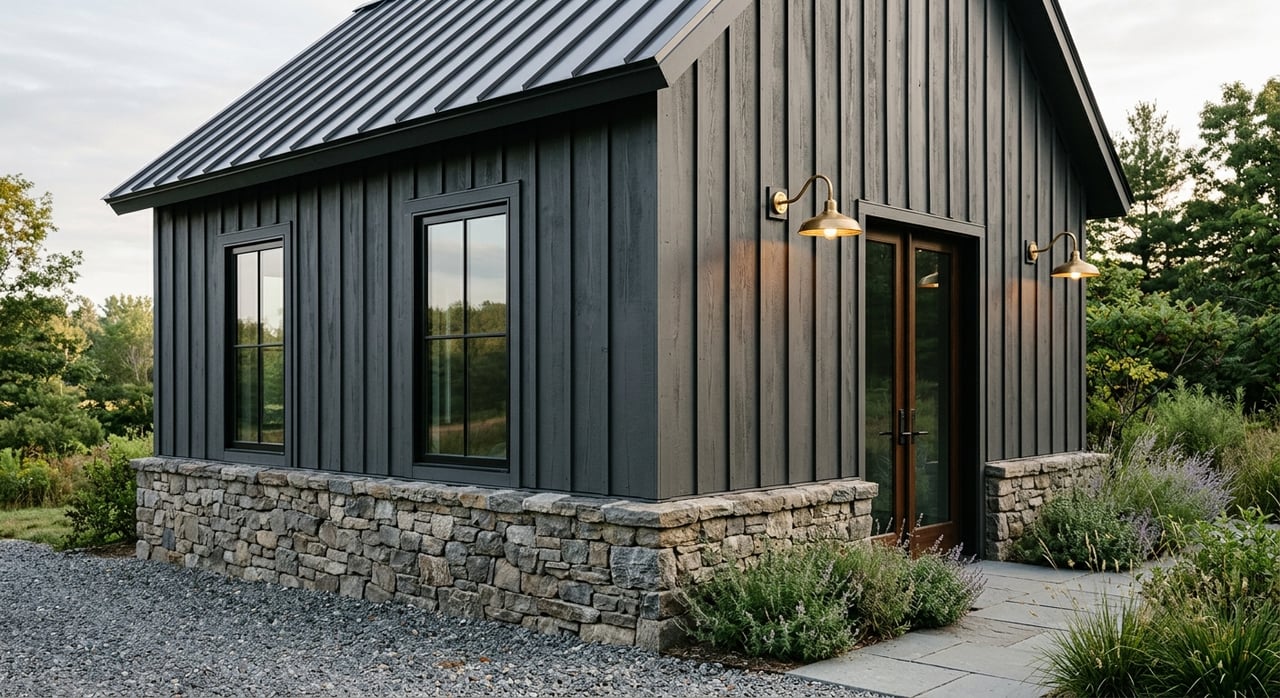
If a listing includes a barn, loft, office, or finished area, make sure you understand what is actually permitted. Millstone allows customary accessory buildings on single-family lots, including storage barns, detached garages, and sheds. But the ordinance limits finished space inside a detached accessory structure to 500 square feet or 50% of the structure, whichever is smaller.
The same ordinance also prohibits kitchens, kitchenettes, and wet bars in those detached structures. A very small bathroom may be allowed with health-department approval, and the structure cannot be used as a second dwelling unit. For horse-property buyers, this is a big deal if you were imagining a barn office, tack-room lounge, or space for extended living arrangements.
Ask these barn questions early
Before you move forward, try to confirm:
- Whether the barn and any additions were properly approved
- Whether any finished interior area complies with current rules
- Whether the structure is being used only as allowed
- Whether future changes would require township approvals
This is one of those areas where photos can create assumptions that paperwork later disproves.
Wells and septic deserve extra attention
Millstone properties rely heavily on private systems, and that changes your inspection priorities. The township’s construction department states that all homes in Millstone use well water. The New Jersey Department of Health says private well owners are responsible for monitoring their own water quality, and testing is required at real-estate transfer under the Private Well Testing Act.
That same state guidance says private well water can be affected by contaminants such as bacteria, nitrate, arsenic, PFAS, agricultural runoff, and animal waste. If you are buying a horse property, that is especially important because your intended use may put even more focus on drainage, water quality, and ongoing maintenance.
Monmouth County’s seller checklist says PWTA testing is required when selling or leasing a property with a private well. It also says Millstone properties with septic systems need a septic pump receipt from within the last three years, while a residential septic physical inspection is typically negotiated privately between buyer and seller.
Rural utility checklist for buyers
Treat these items as core due diligence:
- Private well test results
- Septic records and pump receipt
- Physical septic inspection, if negotiated
- Drainage patterns near the barn and turnout areas
- Separation and layout of well, septic, fencing, and manure areas
For many buyers, these items matter just as much as the house inspection itself.
If you want more than private horse use, look closer
Some buyers want a property mainly for personal horses. Others are thinking about a more active horse operation. If your plans go beyond a private stable, New Jersey’s Right to Farm framework may become relevant.
According to the State Agriculture Development Committee’s Right to Farm guidebook, a protected farm must be a commercial farm, meet eligibility criteria, and comply with agricultural management practices. The same guidance notes that equine activities are one of the management-practice areas.
The state’s equine materials also indicate that activities such as boarding and riding lessons may be treated as equine service activities that are ancillary to equine production on preserved farms in certain circumstances. That does not mean every horse property automatically qualifies for protection, and preserved farms are not automatically protected either.
In practical terms, if you are considering anything beyond private use, you should understand the property’s current status, intended use, and applicable rules before you buy.
Fencing, manure, and drainage matter sooner than you think
Horse-property buyers often focus first on the home and the acreage. But day-to-day function comes down to the practical setup. New Jersey’s equine guidance addresses fencing around pastures and equine facilities, including setbacks that help protect neighboring landscaping and reduce public access to horses.
The same state guidance says manure-storage areas must be at least 100 feet from waters and located on slopes of less than 5 percent. That makes site drainage, usable grade, and manure handling part of the purchase decision, not just a future maintenance project.
On-site questions worth asking
When touring a property, pay attention to:
- Where water collects after rain
- Whether pasture or paddock areas are level enough for intended use
- How fencing is positioned relative to property lines
- Whether there is a workable area for manure storage
- How easy it is to move between barn, paddocks, and access points
A property can look ideal during a dry showing and still present expensive challenges later.
Expect a true rural mix
Millstone is not a fully suburban environment, and that is part of its appeal. The township’s Agricultural Advisory Council says one of its duties is to help minimize conflicts between farming uses and nearby residential or commercial uses and to promote the Right to Farm Act.
For buyers, that means you should expect a real mix of preserved farmland, active agricultural operations, horse properties, and residential neighbors. If that setting fits your goals, Millstone offers something increasingly hard to find in Monmouth County. If you want a more typical suburban pattern, it is better to recognize that early.
The smartest way to evaluate a Millstone horse property
The best horse-property decisions usually come from matching your intended use to the property’s actual constraints. In Millstone, the biggest questions are usually straightforward:
- What zone is the property in?
- How much of the land is actually buildable and usable?
- Are the barn and any finished spaces legal?
- Do the well, septic, drainage, fencing, and manure realities support your plans?
Online listings can help you spot opportunities, but they rarely tell the full story on a rural property. In Millstone, the ordinance, survey, township records, and on-site inspection usually tell you far more than the marketing remarks.
If you are weighing a horse property purchase in Millstone Township, working with a local team that understands land use, rural housing patterns, and Monmouth County due diligence can help you avoid expensive surprises. To talk through your goals and the local market, connect with The Tully Group.
FAQs
What zoning allows horse properties in Millstone Township?
- Millstone’s ordinance permits farms and farm buildings, plus nonfarm stables for private horse use, in the RU-P, RU-C, R-130, and R-80 zones, according to the township code.
What should buyers know about acreage on a Millstone horse property?
- Total acreage does not always equal usable acreage because buildable area can exclude wetlands, buffers, floodplains, steep slopes, waterways, and stream-corridor areas.
What barn rules matter on a Millstone horse property?
- Detached accessory structures may have limits on finished space, cannot include kitchens or similar features, and cannot be used as a second dwelling unit under the township ordinance.
What utility inspections matter for a Millstone horse property purchase?
- Buyers should pay close attention to private well testing, septic records, septic pumping history, and any negotiated septic inspection because Millstone homes rely on well water and commonly use septic systems.
What should buyers ask about horse operations in Millstone Township?
- If you plan to do more than private horse use, ask how the property’s zoning, agricultural status, and any applicable Right to Farm considerations align with your intended operation.
Why is an on-site review so important for Millstone horse properties?
- An on-site review helps you evaluate barn placement, setbacks, drainage, fencing layout, manure-storage options, and how much of the land truly supports your intended use.
