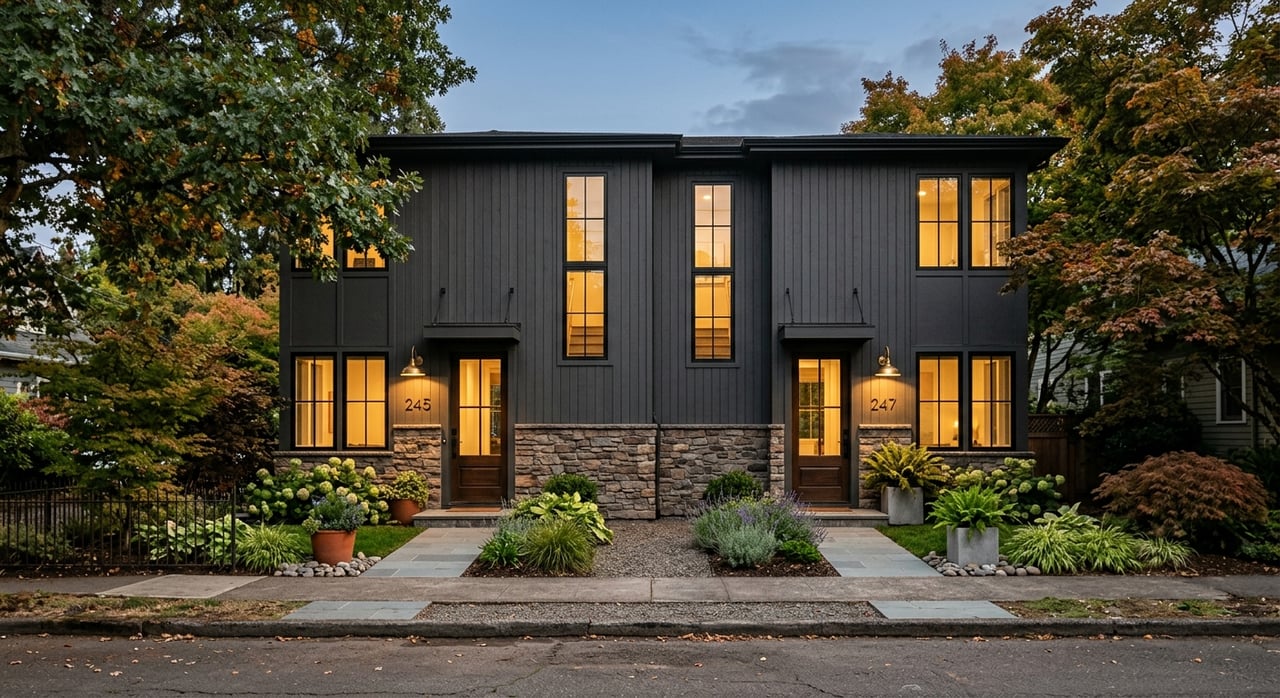
If you are thinking about investing in a small multi-family home in Freehold Township, the biggest mistake is assuming it works like a typical duplex market. It does not. Freehold is a more selective, tighter market where legal use, zoning, and deal sourcing matter just as much as the rent you hope to collect. This guide will help you understand what makes this market different, what numbers to watch, and how to evaluate opportunities with more confidence. Let’s dive in.
Why Freehold Is a Selective Market
Freehold Township is not a broad, high-volume small multi-family market. Local planning data shows a 2023 estimated population of 35,517, with a median household income of $125,739 and an average household size of 2.68. The same township plan reports that only 368 housing units were added between 2010 and 2020, which supports the view that the township is close to built out.
That matters if you are investing. In a market with limited new housing growth, fewer available sites, and a housing base that is already established, you should expect a thinner pipeline of small multi-family listings. In other words, good opportunities may exist, but they are not likely to appear in large numbers.
The same local data shows 12,897 occupied housing units in 2020, a 95.5% occupancy rate, 80.5% owner-occupancy, and a 6.3% rental vacancy rate. That points to a market with real rental demand, but not one with excess supply. For an investor, that can be attractive, but it also means competition for the right property can be strong.
Small Multi-Family Looks Different Here
One of the most important things to understand is that Freehold Township has multi-family housing, but that does not mean every property that looks like a two-unit setup is a legal two-family home. The township’s land-use framework still directs rural areas toward low-density single-family development, while larger growth is concentrated in areas served by sewer and water.
The zoning schedule includes several multifamily-oriented districts, including ML-3, ML-7, ML-8, ML-9, ML-12, High Density, HD-2, and RMZ-1/2/3. At the same time, the township zoning office reviews permitted uses, setbacks, lot coverage, and other bulk requirements before permits are issued. That means the approval path can vary from one property to the next.
For you as an investor, the takeaway is simple: do not assume. A property may be marketed in a way that sounds investment-friendly, but the real question is whether the current use is lawful and whether future plans fit local zoning. That is especially important in a township where some small multi-family housing has been created through inclusionary or redevelopment projects rather than scattered as-of-right duplex construction.
Ask the legal-use question first
Before you spend too much time on projected returns, confirm what the property legally is. A true two-family home, an attached housing configuration, and a single-family property with an accessory-style setup can lead to very different risk levels and approval requirements.
This is one area where local guidance matters more than general investing rules. In Freehold Township, the zoning office is the source for permitted uses, setbacks, and bulk standards, so your due diligence should begin there.
Rent Potential in Freehold Township
Freehold Township’s local housing plan reports a median gross rent of $2,158. That gives you a useful baseline for understanding the rental market, especially if you are comparing older stock to newer or renovated options.
The same report also shows a meaningful share of renter households already paying at the higher end of the market. About 26.6% paid between $2,000 and $2,499, 15.9% paid between $2,500 and $2,999, and another 15.9% paid $3,000 or more. That suggests there is room in the market for well-positioned rentals, depending on the property type and condition.
Current rental listings in the township also suggest that newer or branded apartment product is asking above the ACS median. Available asking rents shown on major portals include examples in the $2,520 to $3,170 range for one- and two-bedroom units at one community, and roughly $2,884 to $3,982 at another. These are not direct duplex comps, but they can help you frame the upper end of rent expectations for renovated or competitive housing.
Use rent data carefully
This is not a market where you can pull endless duplex comps and quickly set a number. Public multi-family inventory appears thin, and duplex-specific comparable data may be limited. In practice, you may need to use the township’s median rent as a starting point, then compare that baseline with current asking rents in newer communities and the features of the specific property you are evaluating.
That approach is more realistic than forcing a rent estimate from weak comps. It also helps you avoid overestimating income on a property that may not support premium pricing.
Why Thin Inventory Changes the Strategy
Public listing activity suggests small multi-family opportunities in Freehold Township may be limited. One market snapshot recently showed only a single multi-family unit for sale in the township over the prior month. While that is not a full market census, it reinforces the broader pattern of low visible inventory.
For you, this changes the investment strategy. Instead of waiting for a steady stream of portal listings, you may need to watch for lightly marketed opportunities, ownership transitions, or properties that require a more local search process. In selective markets like this, access and speed can matter almost as much as price.
It also means you should be ready before the right property appears. Have your financing, your underwriting model, and your property criteria lined up so you can move quickly when something legitimate comes to market.
Underwriting Beyond Gross Rent
Gross rent is only the starting point. If you want to understand whether a small multi-family property in Freehold Township actually works as an investment, you need to focus on net operating income and cash flow.
Cap rate is based on net operating income divided by the asset value. Cash-on-cash return measures annual before-tax cash flow against the equity you invest. Both metrics become much more useful once you subtract the real operating costs of owning the property.
In Freehold Township, those costs can include:
- Property taxes
- Insurance
- Repairs and maintenance
- Vacancy allowance
- Capital reserves
- Municipal compliance costs
- Rental registration fees
A property may look strong on gross numbers and much weaker once these expenses are included. That is why disciplined underwriting matters, especially in a market where acquisition opportunities may already be priced tightly.
Do not ignore local fees and compliance
Freehold requires a Certificate of Continued Occupancy inspection and a smoke-carbon-monoxide fire inspection when selling or renting a residential property. The township also requires all rental properties to be registered.
Under the current local fee schedule, a 2-unit property falls in the 1-to-5-unit bracket and pays $100 per unit annually. For a duplex, that means $200 per year in rental registration fees before other local operating costs. That may not break a deal, but it belongs in your numbers.
A Simple Way to Screen Deals
If you are comparing small multi-family opportunities in Freehold Township, keep your review process tight and practical. Start with a short checklist before you get emotionally attached to a property.
Your initial screening checklist
- Confirm the legal use with the township
- Identify the zoning district
- Review current and realistic market rent
- Estimate repairs and ongoing reserves
- Add property taxes, insurance, and local fees
- Factor in vacancy and turnover risk
- Check required inspections and timing
- Evaluate whether the price still works after all expenses
This kind of screening helps you avoid chasing deals that look good only on the surface. It also gives you a faster path to the properties that deserve deeper analysis.
What Strong Opportunities May Look Like
In Freehold Township, strong small multi-family investments may not always be obvious. Because the market is close to built out and public inventory appears limited, the best opportunities may come from properties with a clear legal use, stable rental demand, and room for operational improvement rather than dramatic expansion.
You may find value in a well-located duplex, attached housing with strong rent support, or a small multi-family asset where better management and updates can improve returns. The key is to match the property to the reality of the township, not to a generic investment playbook from a denser urban market.
That local fit matters. A selective market rewards careful underwriting, patience, and strong local knowledge more than broad-brush assumptions.
Why Local Execution Matters
In a market like Freehold Township, the value of a local real estate team goes beyond opening doors. You may need help identifying off-market or lightly marketed opportunities, confirming whether a property’s current use aligns with local rules, and navigating township paperwork and timing.
That is where a hyperlocal, full-service approach can make a real difference. When inventory is thin and zoning details matter, efficient communication and strong coordination can help you avoid delays, reduce risk, and move faster on the right asset.
If you are looking at small multi-family investing in Freehold, the smartest approach is usually a disciplined one. Start with legal use, underwrite conservatively, and stay focused on real net returns instead of headline rent numbers.
If you want help identifying opportunities in Monmouth County, evaluating small multi-family properties, or moving quickly when the right deal appears, connect with The Tully Group. Their local market knowledge, negotiation experience, and concierge-level transaction support can help you invest with more clarity and confidence.
FAQs
What makes small multi-family investing in Freehold Township different?
- Freehold Township is a more selective market with limited new housing growth, high owner-occupancy, and thin visible multi-family inventory, so legal use, zoning, and sourcing matter more than in a broader duplex market.
What is the median rent in Freehold Township for investors to use as a baseline?
- Local planning data reports a median gross rent of $2,158, which can serve as a starting benchmark when underwriting rental income.
Can you assume a property in Freehold Township is a legal two-family home?
- No. You should confirm the legal use, zoning district, and applicable bulk requirements with the township before relying on a two-family investment plan.
What local fees should investors expect for a 2-unit rental in Freehold Township?
- The township requires rental registration, and the current fee schedule places a 2-unit property in the 1-to-5-unit bracket at $100 per unit annually, or $200 per year for a duplex.
What inspections are required when selling or renting a residential property in Freehold Township?
- Freehold requires a Certificate of Continued Occupancy inspection and a smoke-carbon-monoxide fire inspection when selling or renting a residential property.
Why is underwriting so important for Freehold Township multi-family deals?
- Because gross rent alone does not show true performance. You need to account for taxes, insurance, repairs, reserves, vacancy, and local compliance costs to understand net operating income and cash flow.
