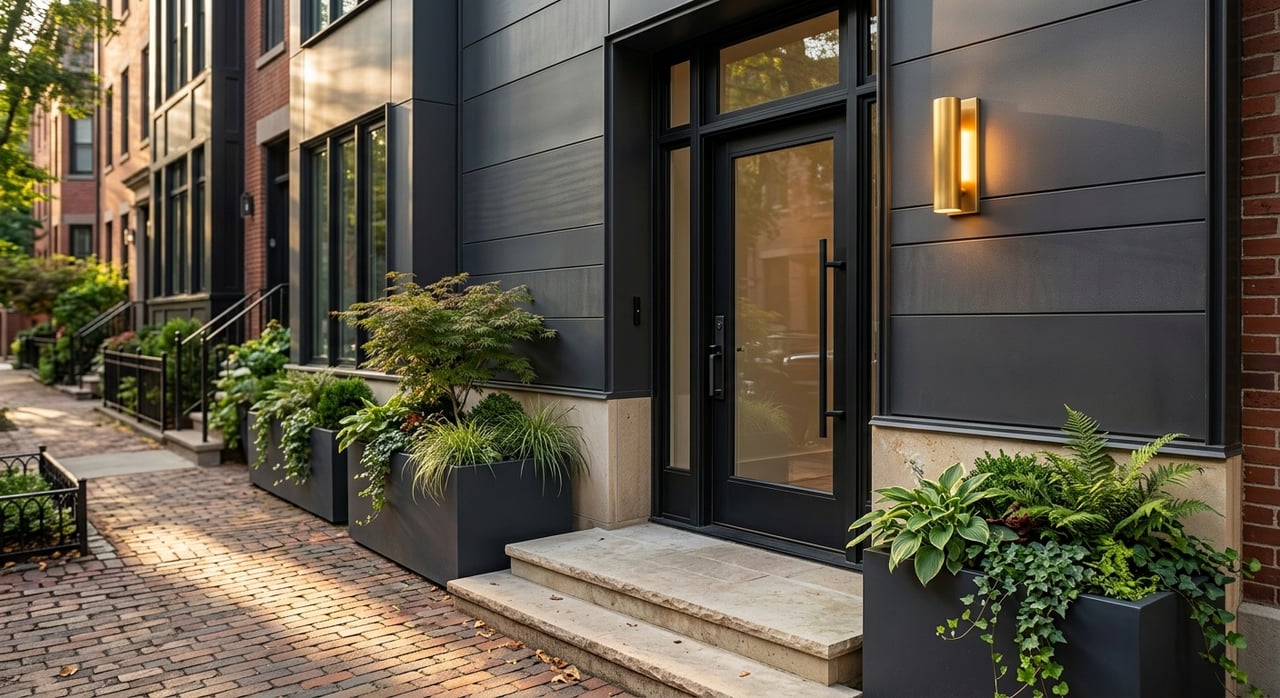
If you want a downtown where you can grab coffee, catch a show, stroll to the riverfront, and still have train access nearby, Red Bank stands out. For many buyers, the big question is not just whether a place is technically walkable, but what daily life actually feels like once you live there. This guide breaks down how walkable Red Bank works, what you can expect day to day, and which parts of downtown shape the experience most. Let’s dive in.
Why Red Bank Feels Walkable
Red Bank’s downtown was built around a compact, mixed-use core. Borough planning materials describe the district as a place to live, work, dine, shop, and spend time, with an emphasis on walking, transit, cycling, and a mix of residential and commercial uses.
In practical terms, that means many of the places you may want to visit are clustered close together. Restaurants, arts venues, parks, and the train station are all within a relatively tight area, especially in and around the downtown spine.
Broad Street Sets the Tone
Broad Street is one of the clearest examples of Red Bank’s pedestrian-friendly setup. A 2024 borough ordinance designated Broad Street between Front Street and White Street as a seasonal pedestrian mall from the second Sunday in May through September 30.
That same ordinance allows outdoor dining, displays, recreation, and business extensions in the corridor. If you visit in the warmer months, that helps explain why the area often feels lively, social, and built for foot traffic instead of just cars.
Emanuel Court Adds to the Experience
Emanuel Court is also a key pedestrian space. The borough kept it permanently as a pedestrian mall, which adds another car-free pocket to the downtown experience.
Spaces like this matter because they change how a downtown feels when you are actually using it. Instead of simply moving from one storefront to another, you get places that invite you to linger, meet up, and spend time outside.
What Daily Life Looks Like
Living in walkable Red Bank means your routine can feel more connected to the downtown calendar. You are not just close to shops and restaurants. You are also near arts venues, riverfront parks, seasonal programming, and community events that keep the borough active through much of the year.
That mix gives Red Bank a different rhythm than a more spread-out suburban setting. Even a short walk can include dining, entertainment, and outdoor public space in the same trip.
Arts and Entertainment Are Part of the Routine
Two major venues help define daily life in downtown Red Bank. The Count Basie Center on Monmouth Street and Two River Theater on Bridge Avenue draw steady activity into town, especially in the evenings and on weekends.
The Count Basie Center highlights Red Bank’s shops, boutiques, restaurants, street fairs, and film and music events, and it says the venue draws more than 220,000 visitors a year. Two River Theater says it hosts more than 40 events a year and produces more than 165 performances that bring over 20,000 patrons into town.
For you as a resident, that can translate into a downtown that rarely feels one-dimensional. Instead of a business district that quiets down after office hours, Red Bank keeps a sense of movement through performances, dining traffic, and event nights.
Parks Add Everyday Breathing Room
Walkability is not only about stores and sidewalks. It is also about having places to pause, exercise, or enjoy the outdoors without needing to drive.
Red Bank’s parks help create that balance. Marine Park sits along the Navesink River and is being reimagined with more green space and better river access. Riverside Gardens Park on West Front Street hosts concerts, movies, fitness, and other programming, while East Side Park includes tennis, pickleball, basketball, soccer, and a playground.
Community Events Keep Things Active
The borough’s recreation calendar adds another layer to day-to-day life. Public information from Red Bank points to spring events, summer movies and fitness programming, jazz events, and fall activities across the borough.
Johnny Jazz Park also anchors west-side events such as Westside Jazz, Juneteenth, and the tree lighting. In summer, the Broadwalk programming adds live entertainment, wellness activities, family-friendly events, and local showcases that make downtown feel like more than a retail district.
Getting Around Without Going Far
One of Red Bank’s biggest advantages is that its walkable core also connects to regional transit. If you want a downtown lifestyle without giving up train access, that combination is a major part of the appeal.
The borough’s redevelopment report notes that the downtown area sits less than one-half mile from Red Bank Station. That short distance makes rail access part of everyday planning for many people living near the center of town.
Red Bank Station Supports Commuting
Red Bank Station is on the North Jersey Coast Line at Bridge Avenue between Monmouth and Oakland Streets. NJ TRANSIT lists the station as accessible and notes bike racks or lockers, parking, and ticketing services.
For out-of-area buyers thinking about commute patterns, Two River Theater says the area is one to two blocks from the North Jersey Coast Line and estimates travel time to New York City at about 80 to 90 minutes from that area. For drivers, it also references Garden State Parkway Exit 109.
Parking Is Manageable but Regulated
Even in a walkable downtown, parking still matters. Red Bank manages parking with on-street spaces and surface lots throughout town, with meters and kiosks enforced Monday through Saturday from 9 a.m. to 9 p.m.
The borough also notes free parking after 9 p.m. on weekdays and all day Sunday, along with residential permits through the Parking Utility on West Front Street. So yes, parking is available, but you should expect rules designed to keep spaces turning over in a busy downtown environment.
Where the Walkable Core Centers
If you are trying to picture the downtown on a block-by-block level, a few streets and areas shape the experience most. Each one plays a different role in how Red Bank functions day to day.
This kind of orientation is helpful if you are deciding whether you want to be right in the middle of activity or just close enough to enjoy it on foot.
Broad Street and White Street
This is the heart of the pedestrian-oriented shopping and dining corridor. With seasonal pedestrian mall treatment on part of Broad Street, this area often feels especially active in warmer months.
If your ideal setup includes stepping outside to restaurants, storefronts, and a lively street scene, this part of downtown is central to that experience.
Monmouth Street and Station Access
Monmouth Street is closely tied to the Count Basie Center and nearby access to the station area. That gives it a strong connection to entertainment and regional mobility.
For buyers who want arts access and an easier path to rail service, this area is a useful reference point.
Bridge Avenue and the West Side
Bridge Avenue is home to Two River Theater and sits near rail access as well. The West Side also connects you to community events and public spaces that add to the area’s neighborhood feel.
This part of Red Bank can be appealing if you want walkability with a strong link to arts programming and local gathering spots.
West Front Street and the Riverfront
West Front Street helps connect downtown living to riverfront parks and open space. Riverside Gardens Park, in particular, gives this stretch a different texture than the retail-heavy core.
If your version of walkability includes scenic public space and outdoor events, this corridor is worth paying attention to.
Housing Patterns Near Downtown
Red Bank’s walkable core is not all one housing type. Borough guidance points to a mix of historic districts, established residential streets, and redevelopment areas that support higher-density mixed-use and multifamily development.
That means the housing experience can vary depending on the block. Some areas reflect Red Bank’s historic character, while others align more with newer mixed-use or condo-style living near the downtown spine.
Historic Areas Shape the Character
The borough identifies the Broad Street Historic District as a commercial corridor and the Washington Street Historic District as a modest Victorian residential district. It also states that several hundred historic resources appear on local, county, state, or national inventories.
For you, that means downtown Red Bank is not just active. It is also layered with visible history, which can shape the look and feel of certain streets.
The Housing Mix Is More Varied
Borough redevelopment policy supports higher-density mixed-use centers and multifamily residential development to expand the housing stock and support a balanced residential population. Based on that planning language, the walkable core may include a blend of older homes on residential streets, apartment or condo-style options in redevelopment pockets, and newer mixed-use buildings near downtown.
That range is one reason Red Bank often appeals to more than one type of buyer. Some people want a traditional street with historic character, while others prefer lower-maintenance living close to downtown activity.
Is Walkable Red Bank Right for You?
If you want a place where daily errands, dining, entertainment, parks, and transit can overlap in one compact setting, Red Bank offers a strong case. The combination of pedestrian-focused streets, arts anchors, riverfront public space, and train access gives the borough a lifestyle that feels more connected than car-dependent suburban patterns.
The best fit comes down to how you like to live. If you enjoy being near activity, appreciate a downtown with year-round programming, and want options for getting around on foot, Red Bank may feel like a natural match.
If you are thinking about buying or selling in Red Bank or anywhere nearby in Monmouth County, The Tully Group can help you understand the block-by-block differences, the housing options, and the strategy that fits your goals.
FAQs
How walkable is downtown Red Bank for daily life?
- Downtown Red Bank is built around a compact mixed-use core, with pedestrian-focused areas like Broad Street and Emanuel Court, plus short distances between restaurants, arts venues, parks, and the train station.
What is daily life like in walkable Red Bank?
- Daily life in Red Bank often includes easy access to dining, shopping, theater, seasonal events, and riverfront parks, with activity continuing beyond the standard workday because of arts and recreation programming.
Is Red Bank active year-round or mainly in summer?
- Red Bank stays active year-round thanks to theater, music, recreation programming, and community events, though warmer months bring added energy through the Broadwalk, outdoor dining, and pedestrian mall activity.
Can you commute from walkable Red Bank without relying only on a car?
- Yes, Red Bank Station on the North Jersey Coast Line sits close to the downtown core, and NJ TRANSIT lists the station as accessible with bike facilities, parking, and ticketing services.
Is parking difficult in downtown Red Bank?
- Parking is manageable, but it is regulated, with on-street spaces, surface lots, meters and kiosks enforced Monday through Saturday from 9 a.m. to 9 p.m., plus free parking after 9 p.m. on weekdays and all day Sunday.
What kind of homes are near walkable downtown Red Bank?
- Near downtown Red Bank, you can expect a varied housing pattern shaped by historic residential streets, historic districts, and redevelopment areas that support mixed-use and multifamily living.
