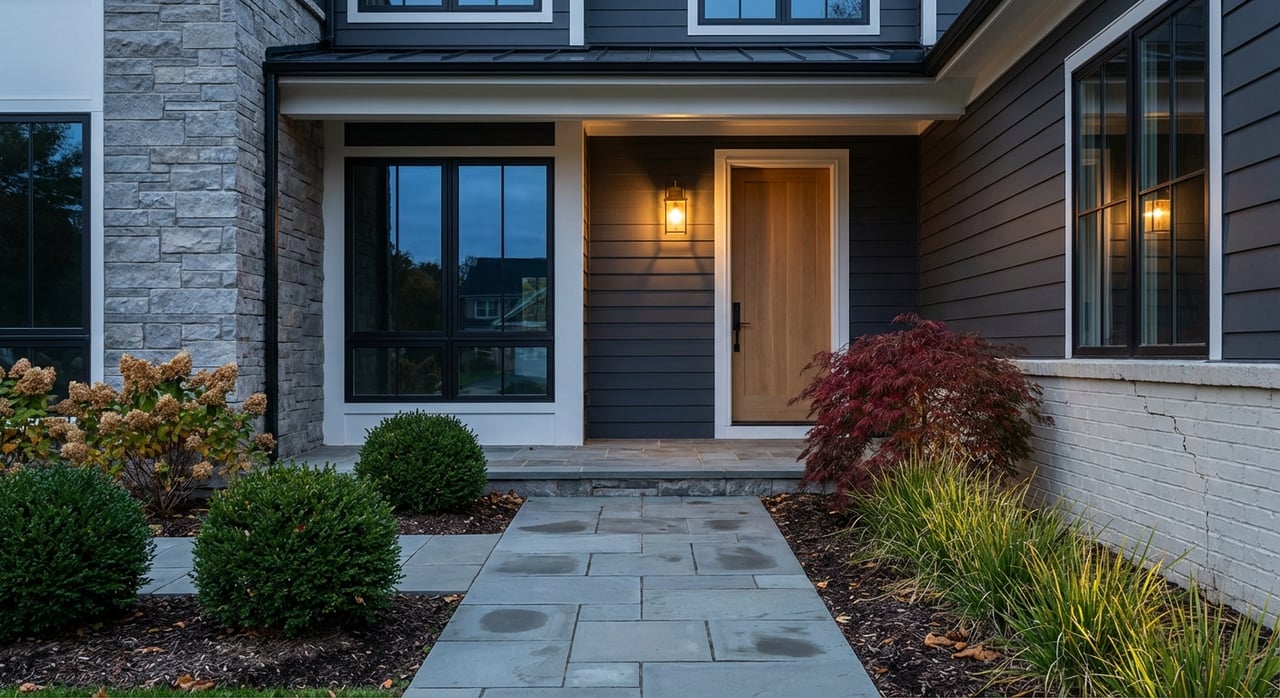
Trying to choose between a brand‑new build and a well‑kept resale in Freehold Township? You are not alone. With pricing near the mid‑$500Ks, notable property taxes, and limited brand‑new options inside the township, it can be hard to compare apples to apples. In this guide, you will see the real tradeoffs on cost, timing, maintenance, HOAs, and location so you can decide with confidence. Let’s dive in.
Freehold market snapshot
According to Rocket’s June 2025 market report, the median sold price in Freehold Township was about $540,000. The U.S. Census Bureau QuickFacts shows the median value of owner‑occupied homes in roughly the mid‑$500Ks, which supports what buyers are seeing on the ground. Together, these figures set a practical baseline for comparing new construction and resale.
Monmouth County’s average residential property tax bill was approximately $10,900 in 2024, based on county reporting summarized by home‑property‑tax.com. That number is a helpful planning figure when you estimate monthly costs. Your actual bill will depend on the assessment of the specific property, so always verify the latest tax record before you make an offer.
New single‑family supply close to Freehold has largely arrived in nearby townships such as Manalapan, Marlboro, and Howell. Inside Freehold Township, most buyers compare established resale neighborhoods to newly built communities in adjacent towns, including age‑restricted options like Four Seasons at Manalapan Crossing. This regional pattern affects price, HOA expectations, and move‑in timelines.
New vs resale tradeoffs
Price and value
New homes often carry a price premium per square foot because you get modern systems, current building codes, and warranty coverage. In the Freehold area, recently built communities are frequently positioned at higher price tiers than many resale options. Resale homes may offer more interior space or larger lots at a similar budget. The best comparison is a side‑by‑side review of recent comps for both categories.
Lots, setting, and style
Resale homes sit in established neighborhoods with mature trees, finished road networks, and long‑standing community patterns. Lot sizes can vary based on the era of construction. New construction in the local market often appears in planned subdivisions or age‑restricted communities with HOA maintenance of common areas, and lots can be tighter to increase the number of homes.
Efficiency and maintenance
New homes are built to current codes and often include upgraded insulation, windows, HVAC, and efficient appliances, which can help reduce utility and early maintenance costs. This aligns with EPA and DOE guidance on energy‑efficient homes. Resale homes can deliver character and space, but you should budget for systems that may be closer to replacement. Many owners plan for annual upkeep using industry maintenance planning estimates of roughly 1 to 4 percent of home value.
Warranties and protections
Builders commonly provide layered coverage, often referred to as common 1‑2‑10 builder warranties: one year for workmanship and materials, two years for mechanical systems, and up to ten years for major structural defects. Ask for the warranty contract in writing, including who administers it and whether it transfers to a new owner. For resale homes, you can sometimes purchase a third‑party home warranty, though coverage differs from builder programs.
Timing and process
Resale purchases typically offer a shorter path from contract to closing, subject to inspection and appraisal. New construction can take months, with schedules affected by weather, materials, and change orders. Before closing on a new home, confirm a final Certificate of Occupancy and closed permits with the township’s construction office. The Freehold Township Construction Department FAQs outline permit and CO requirements that you or your attorney can verify.
HOAs and amenities
Many newer subdivisions, especially active‑adult communities, include HOAs that maintain roads, landscaping, and amenities. Monthly fees vary, and the HOA’s budget, reserves, and any planned assessments matter for your long‑term costs. In established resale neighborhoods without an HOA, you may gain flexibility on rules but you are responsible for all maintenance.
Freehold buyer checklists
New construction tour checklist
- Ask for a detailed list of what is included in the base price versus upgrades, plus a design center price sheet.
- Request the builder’s written warranty, including coverage for years 1, 2, and 10, who administers it, and whether it is transferable.
- Confirm the target completion date, remedies for delays, and the change‑order process and costs.
- Review lot specifics such as grading, drainage, driveway finish, and whether the home is on public sewer or septic.
- Get HOA documents, current fee, and services provided, and ask about reserve status if applicable.
- Ask if rate buydowns, closing credits, or other incentives are available, and how they are documented in the contract.
- Ask for a list of recently completed local homes and references you can contact.
Resale tour checklist
- Schedule a full inspection that covers structure, roof, HVAC, plumbing, electrical, and any needed specialist checks for lead, radon, septic, or termites.
- Document the age and service history of major systems such as roof, furnace, air conditioning, water heater, and sewer lateral.
- Verify recent tax bills, check for open permits or municipal violations, and ask whether the lot intersects a floodplain or drainage easement.
- Walk the neighborhood to note sidewalks, lighting, nearby shopping and commute routes, and confirm school assignment directly with the district.
Local due diligence must‑dos
- Permits and COs. Confirm that any new home has a final CO and all permits are closed. Start with the Freehold Township Construction Department FAQs.
- Water and sewer. Verify whether the property connects to public sewer or uses a septic system, which affects inspections and ongoing costs.
- Flood and drainage. Ask the township engineering office about any FEMA zones, drainage easements, or elevation requirements tied to the lot.
- Schools. Check exact school assignments with Freehold Township Schools. Keep in mind that assignments can vary by address. Census estimates also show an average commute near 31 minutes, which fits typical central Jersey travel patterns.
- Property taxes. Use the county average bill of about $10,900 for 2024 as a planning figure, then verify the specific property’s assessed value and tax history with the tax collector.
Negotiation and financing differences
Builders sometimes offer incentives such as price adjustments, upgrade allowances, or mortgage rate buydowns to help move inventory. Recent NAHB industry reports highlight how incentives can create leverage for buyers. Get every concession in writing and clarify whether the contract price reflects the incentive or if it is a separate credit.
If you plan to build from scratch or buy a home under construction, ask lenders about construction‑to‑permanent loans, which convert to a standard mortgage at completion. Learn the draw schedule, inspection process, and down payment requirements. For resale purchases, most buyers use traditional financing with standard appraisal and inspection contingencies.
For inspections, resale buyers negotiate repairs based on their findings. New‑construction buyers should schedule independent inspections at key milestones and attend the builder’s orientation and final walk‑through with a detailed punch list.
Which path fits you
Choose new construction if you want the latest systems, warranty coverage, and a clean design you can personalize, and you are comfortable with an HOA and a longer timeline. It can be a strong fit if you value energy efficiency and predictable early maintenance costs.
Choose resale if you prefer established neighborhoods, larger lots, and possibly more square footage per dollar. You will likely trade for older systems and ongoing upkeep, which can be planned and budgeted.
If you want a clear, side‑by‑side plan for Freehold Township, including recent comps, tax estimates, HOA review, and a personalized move‑in timeline, connect with The Tully Group. Our local guidance, pricing expertise, and concierge coordination help you buy with confidence.
FAQs
How do prices of new vs resale homes compare in Freehold Township?
- New homes are often priced above many resale options because of modern systems and warranties, while the township’s median sold price sat around $540,000 in June 2025. Review current comps for a precise comparison.
Are property taxes higher on new construction in Monmouth County?
- Taxes reflect assessed value and the municipal rate, not whether a home is new. Use the county’s 2024 average bill of about $10,900 as a planning number and verify the specific property’s assessment.
Do I need a home inspection on new construction?
- Yes. Hire an independent inspector for key milestones, then complete a thorough final walk‑through and confirm the Certificate of Occupancy before closing.
What should I know about builder warranties?
- Ask for the full warranty contract, including coverage for years 1, 2, and 10, the administrator’s name, and whether the warranty is transferable to a future buyer.
How do HOAs affect costs in new communities near Freehold?
- Many newer subdivisions and active‑adult communities have monthly HOA fees for amenities and maintenance. Review the fee, included services, budget, reserves, and any planned assessments.
How long does a new build take compared with a resale purchase?
- Resale transactions usually close faster, while new builds can take months and may face delays. Always verify permits and the final Certificate of Occupancy with the township before closing.
