Thinking about a move to Millstone Township but not sure where to start? You might be weighing space and privacy against commute time, school options, and daily conveniences. This guide gives you a clear, local-first orientation to neighborhood types, commute patterns, schools, and the practical details that matter when you buy or sell. You will leave with a checklist, smart verification steps, and a plan to explore Millstone with confidence. Let’s dive in.
Millstone Township at a glance
Set in western Monmouth County, Millstone Township blends suburban living with a rural feel. You see winding country roads, established subdivisions, and larger parcels with room for gardens, barns, or workshops. Most homes are single-family, and many areas lean low-density with fewer sidewalks and more open space.
The township runs its own local government and services. Zoning, permits, school assignment, and utility setups can vary by address, so confirming details for each property is an essential step in your move.
Neighborhood compass
Below are four broad neighborhood types you will find in Millstone Township. Use them as a compass to narrow your search based on lot size, setting, and daily routines.
Historic village centers and small nodes
Expect compact streets with older homes of varying ages and styles near civic buildings or small commercial clusters. These areas typically offer quicker access to township offices and local services. Sidewalks or shorter blocks may be more common than in rural zones.
- Housing: Primarily detached single-family homes, some with historic character or updates over time.
- Lots: Often smaller than outlying areas, with more traditional yard sizes.
- Daily life: Convenient for quick errands and community events.
- Buyers who value: Proximity to services and an established neighborhood feel.
Suburban subdivisions
These neighborhoods include mid-to-late 20th century homes and newer developments. Streets are usually organized into cul-de-sacs and loops, with consistent home styles.
- Housing: Single-family homes with garages and yards, built across multiple decades.
- Lots: Moderate sizes with space for outdoor living.
- Daily life: A predictable neighborhood setup that supports routines like dog walks, bike rides, and backyard gatherings.
- Buyers who value: A classic suburban pattern with a neighborhood identity.
Estate and rural acreage
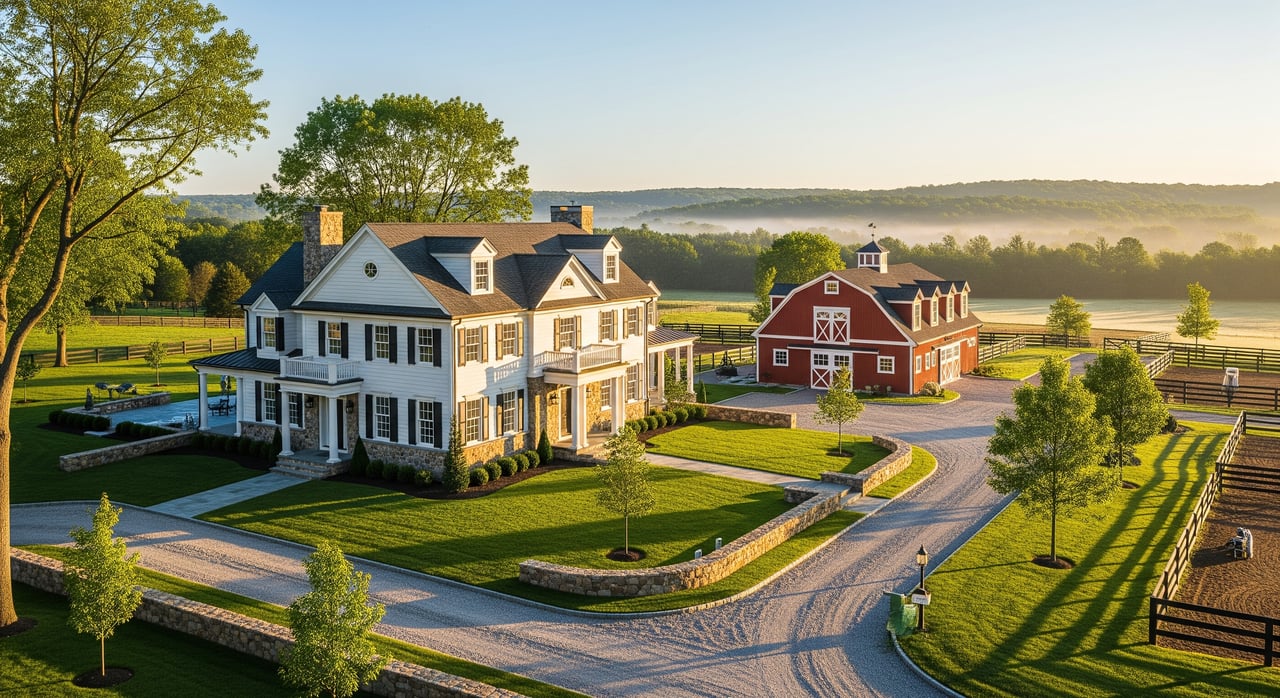
You find larger parcels, privacy, and the option to keep gardens, small livestock, or pursue equestrian use where permitted. Sidewalks are limited and services may be farther away.
- Housing: Detached homes on larger tracts, plus farms and purpose-built equestrian properties in select areas.
- Lots: Substantial acreage is common in these zones.
- Daily life: Quiet settings and long driveways, with trips by car for most errands.
- Buyers who value: Space, privacy, and potential for agricultural or recreational uses, subject to zoning.
Lake and reservoir–adjacent homes
Some properties sit near lakes, reservoirs, or streams within or near township borders. These settings can offer scenic views and outdoor access, with added considerations for maintenance and environmental rules.
- Housing: Single-family homes, sometimes with unique siting to capture water views.
- Lots: Varying sizes, with potential easements or conservation areas.
- Daily life: Recreation nearby and seasonal landscape changes.
- Buyers who value: Natural surroundings and a low-density environment.
Schools and education
School assignment affects many purchase decisions. Always verify the exact attendance zones and options for your address.
K–8 overview
Millstone Township operates its own K–8 district. Enrollment, school configuration, and programs can change. For performance data and program highlights, review the current New Jersey Department of Education school performance reports and confirm with the district registrar.
- Where to check: Use the state’s New Jersey Department of Education school performance reports to review the latest published information.
High school pathways
High school assignment comes through sending and receiving relationships with nearby districts. These agreements can evolve, so confirm the current assignment and any choice or vocational options with the district and the state.
- Where to check: Confirm assignment with the district registrar and cross-check with the New Jersey Department of Education.
Private and parochial options
Nearby towns offer private and parochial choices across K–12. Admissions policies, transportation, and tuition vary by school. Research application timelines early and contact schools directly.
Commute and transportation
Driving is the most common way to get around. Many commuters travel to a park-and-ride or the nearest rail station to reach Manhattan, Jersey City, and major job centers across the region. Exact routes and schedules change over time, so use official tools to plan door-to-door trips.
- Rail and bus: Check routes, stations, and schedules on NJ Transit.
- Trip planning: Use real-time trip planners to compare peak vs. off-peak travel.
Housing market and property considerations
Millstone’s housing stock is largely single-family with limited dense or multi-family development. Parcels in rural and estate areas may use private wells and septic systems, which require specific inspections and maintenance.
- Utilities: Confirm whether a property is on public water and sewer or private well and septic. Request maintenance records and include water quality and septic inspections in your due diligence.
- Zoning and lot size: Minimum lot sizes and permitted uses vary by zone. Confirm zoning before you plan additions, accessory structures, or equestrian use.
- Road type and HOAs: Some homes sit on private roads or within homeowner associations. Clarify maintenance, snow removal, and dues during review.
- Environmental factors: Review flood zones, wetlands, and conservation easements as part of your property evaluation.
Services, parks, and daily life
You receive municipal services for policing, public works, and permitting through the township. Trash, recycling, and bulky waste schedules can vary by location or season. When you schedule renovations, check permit requirements early to avoid delays.
For outdoor time, residents tap regional trails, open space, and water access points around the county. To explore facilities like trails, golf, playgrounds, or boating, browse the Monmouth County Park System for park names and amenities.
Healthcare and shopping are available in neighboring town centers and along major corridors in Monmouth County. For specific medical providers, consult your insurance directory and local hospital systems.
Zoning, permits, and long-range planning
Zoning ordinances, the master plan, and building code requirements shape what you can build and where. Wells and septic systems can involve county health approvals. If you are planning a major project, contact the township planning or zoning office early. Confirm whether your property lies in a conservation area or includes any easements.
For environmental mapping and regulatory guidance, the New Jersey Department of Environmental Protection offers resources on wetlands, open space, and permitting. For roadway updates and maps, consult state transportation resources through NJDOT.
Buyer checklist for Millstone Township
- Confirm school assignment for your exact address through district and state channels.
- Ask whether the home uses public water/sewer or private well/septic. Request maintenance and test results.
- Review the current property tax bill, assessed value, and recent rate history.
- Verify zoning classification, permitted uses, and any deed restrictions.
- Order a survey if one is not available. Check setbacks, wetlands, and floodplain status.
- Confirm utility providers for electric, gas, and internet, and typical service timelines.
- If there is an HOA, review bylaws, rules, fees, and road or amenity maintenance.
- Schedule a comprehensive home inspection, with septic and water tests as needed.
Seller checklist for Millstone Township
- Gather tax bills, the deed, prior surveys, well and septic documentation, and any past permits.
- Confirm the correct school district details for your listing.
- Consider a pre-listing septic inspection or water test if the property is on well/septic.
- Review New Jersey disclosure requirements, including radon and lead-based paint where applicable.
- Tidy records for improvements and warranties to build buyer confidence.
How to verify key details
Use these official sources to validate address-specific information before you buy or sell.
- Schools and performance: Review the New Jersey Department of Education school performance reports.
- Rail and bus options: Plan trips and check stations on NJ Transit.
- Flood zones: Search your address on the FEMA Flood Map Service Center.
- Environmental mapping: Research wetlands and permitting at the New Jersey Department of Environmental Protection.
- Parks and recreation: Explore facilities through the Monmouth County Park System.
- Roadway maps and projects: See state resources via NJDOT.
Plan your next step
Relocating to Millstone Township is easier when you have a clear map of neighborhoods, commutes, schools, and property details like septic and zoning. If you want address-level guidance, a pricing strategy, and a smooth plan from search to close, connect with a local team that knows the nuances of Monmouth County. Ready to explore listings or prepare your home for market? Reach out to The Tully Group for a tailored plan.
FAQs
What should I know about Millstone Township school assignments?
- School boundaries and high school sending arrangements can change, so confirm K–8 and high school assignments with the district registrar and review state data via the New Jersey Department of Education.
How do Millstone Township commuters reach New York City or Jersey City?
- Many residents drive to a nearby park-and-ride or rail station, then connect via NJ Transit; plan door-to-door routes using official schedules.
Are private wells and septic systems common in Millstone Township?
- Yes, many rural and estate properties rely on wells and septic; verify a home’s setup, request maintenance records, and include water and septic inspections in your contingencies.
How can I check if a Millstone property is in a flood zone?
- Enter the address on the FEMA Flood Map Service Center to review current floodplain designations and discuss insurance needs with your lender or insurer.
Where can I find information on parks and trails near Millstone Township?
- Browse the Monmouth County Park System for park maps, trail details, and facility information across the county.
