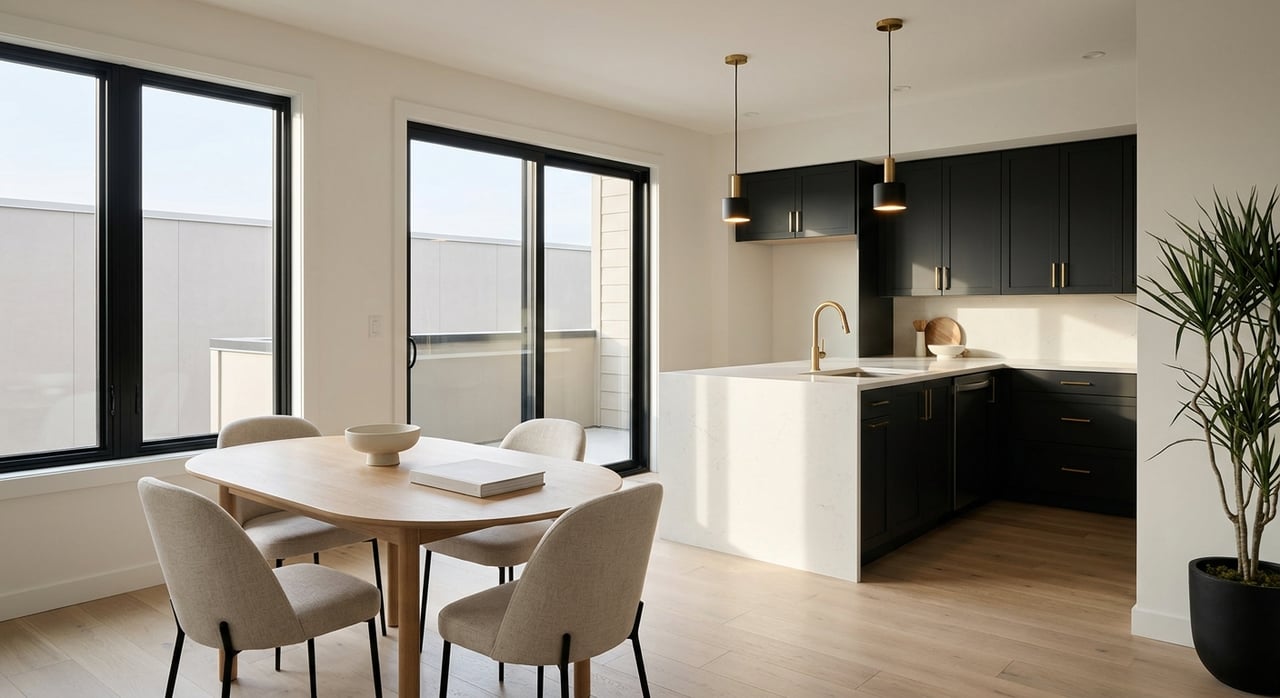
Wondering whether selling a condo in Red Bank is the same as selling a single-family home? In some ways, yes, but condo sales come with a few extra layers that can affect your timeline, pricing, and paperwork. If you want to sell with fewer surprises and a stronger plan, it helps to know what buyers are looking at before your home hits the market. Let’s dive in.
Red Bank condo sellers face a unique market
Red Bank is a built-out borough with little to no vacant land left, which means future growth is expected to come mostly from infill redevelopment. State planning materials also note that the borough’s median year of construction is 1947, which is older than Monmouth County overall. For condo sellers, that can shape buyer expectations around building age, upkeep, and shared-property condition.
At the same time, attached-home inventory appears relatively limited. Public listing portals recently showed a small number of condos and townhomes for sale in Red Bank, while broader market snapshots described the area as a seller’s market with homes selling around asking on average. That does not guarantee a quick sale, but it does mean well-prepared listings can stand out.
Buyer interest in Red Bank condos is often tied to convenience and lifestyle. With NJ Transit service, a walkable downtown, waterfront access, and lower-maintenance housing options, attached homes may appeal to commuters, downsizers, first-time buyers, and relocation buyers.
Price your condo against the right competition
One of the biggest mistakes condo sellers can make is comparing their home to detached houses. Condo and townhome values should be based on attached-home comps, especially recent sales in the same building or community when possible. That creates a more accurate picture of what buyers are actually willing to pay.
In Red Bank, recent attached-home pricing has shown a wide range. Public listing data has included two-bedroom attached units in the mid-$300,000s to mid-$400,000s, while some townhome inventory has stretched much higher, including new-construction options near $1.5 million. That gap shows how much value can shift based on location within town, building age, condition, layout, parking, outdoor space, and monthly carrying costs.
A smart pricing strategy should also account for what buyers compare side by side online. If your monthly HOA fee is higher than a competing unit, your list price may need to reflect that. If your condo offers updated finishes, better storage, or assigned parking, those details can support stronger positioning.
Prep matters more than many sellers expect
Condo buyers often notice condition quickly because they are comparing multiple similar units. Small cosmetic issues can make your home feel less competitive, even in a tight market. Before listing, it usually helps to focus on basics that improve presentation without overcomplicating the process.
Common pre-listing steps include:
- Deep cleaning
- Decluttering
- Paint touch-ups
- Minor hardware or fixture updates
- Correcting visible maintenance issues
If you are thinking about doing more than cosmetic improvements, check whether permits may be required. According to Red Bank’s Planning and Zoning information, development permits are required for many interior and exterior changes, changes in occupancy or use, demolition, fences, sheds, AC condensers, and other accessory structures. It is better to confirm that early than have a last-minute issue surface during the sale.
Online presentation drives early interest
Most buyers begin their search online, and listing presentation plays a major role in whether they book a showing. Research cited in the report shows buyers value photos, detailed property information, and floor plans highly. For a Red Bank condo, that means your digital first impression is doing a lot of the selling work.
That is why professional photos, floor plans, staging, and broad digital exposure are especially important. Staging can also help with speed and perceived value. Industry research referenced in the report found that many agents saw faster sales from staging, and some also saw measurable value increases.
For condo sellers, the goal is simple: make it easy for buyers to understand the space, the layout, and the lifestyle. Clean visuals, strong room flow, and clear listing details can help your unit rise above similar options.
Condo inspections have a different scope
A condo inspection is not always as broad as sellers expect. Standard condo inspections usually focus on the unit itself and may not include common areas or spaces the owner does not own. That means parts of the property that still matter to the sale, like roofs, hallways, parking areas, or other shared components, may fall outside the inspector’s direct scope.
Even so, buyers may still have concerns if they notice signs of larger building issues. Common inspection topics in attached housing often include moisture intrusion, roof drainage and gutters, plumbing leaks, HVAC drainage or venting, and electrical issues. In a shared-building setting, those concerns can affect more than one unit.
This is one reason sellers benefit from understanding what belongs to the unit and what belongs to the association. In New Jersey, the Department of Community Affairs states that associations are responsible for correcting violations in common and exterior areas, while individual owners ordinarily handle violations inside their own units. If a repair question comes up, that distinction can matter right away.
Association health can affect buyer confidence
When you sell a condo, buyers are not just evaluating your unit. They are also evaluating the building or community behind it. Financials, reserves, rules, and any pending projects can all influence how comfortable a buyer feels moving forward.
New Jersey DCA says planned real estate development associations must undertake and fund a capital reserve study. Covered condo or co-op buildings must also undergo periodic structural inspections, and the cost of that report is treated as a common expense shared by unit owners. For older or larger buildings, buyers may ask whether reserve funding is current and whether any special assessments are pending.
This matters in Red Bank because much of the housing stock is older. A buyer may love your updated kitchen, but still hesitate if the association’s records raise questions about future building expenses. Clear, organized information can help reduce uncertainty.
Know whether your home is a condo or townhome
Not every attached property works the same way. In New Jersey, some fee-simple townhomes may fall outside the same framework that applies to condominiums, depending on how the community is structured and what maintenance responsibilities the association holds. That means buyers may ask different questions depending on the ownership type.
If you are not fully sure how your property is classified, it is worth confirming before listing. That can help you answer questions more accurately about maintenance responsibility, inspections, shared areas, and association obligations. It also helps avoid confusion once attorneys and buyers start reviewing documents.
Expect more paperwork than a typical house sale
Selling a condo usually involves an extra layer of documents compared with a detached home. Buyers and their attorneys often want to review the master deed, bylaws, financial records, rules, and other association materials. In practice, these documents help them understand rental restrictions, parking rules, pet policies, assessments, and how the community is governed.
In New Jersey, attorney review is also a standard part of many residential transactions. The New Jersey Department of Banking and Insurance says that when a contract is prepared by a real estate licensee, it must include an attorney review clause, and both buyer and seller have three business days from delivery of the fully signed contract to consult an attorney. During that time, the contract terms and supporting documents may be reviewed closely.
For sellers, this means preparation can make a real difference. If your condo documents are easy to gather and your answers are consistent, the transaction often moves more smoothly. Delays tend to happen when records are incomplete, outdated, or unclear.
Budget for seller closing costs
Many sellers focus on sale price and commission, but condo closing costs in New Jersey can include several other items. The state imposes a Realty Transfer Fee on the seller. Sales over $1 million can also trigger a graduated percent fee.
The state also requires GIT/REP forms for deed recording. If you are a nonresident seller, additional withholding rules may apply. These are important items to understand early so you are not estimating your net proceeds too optimistically.
What to expect from start to finish
If you are selling a condo in Red Bank, the process usually comes down to four major factors working together: pricing, presentation, association readiness, and paperwork. In a market with limited attached-home inventory, buyers are likely to notice listings that look polished, feel well-priced, and come with fewer unanswered questions. That is especially true when buyers are starting their search online.
A strong sale plan often includes:
- Pricing based on attached-home comps, not detached homes
- Pre-listing touch-ups and show-ready presentation
- Professional photos and floor plans
- Early review of permits if improvements were made
- Organized condo documents and association information
- Clear expectations around inspections, repairs, and closing costs
When all of that is handled upfront, you give yourself a better chance to attract serious buyers and keep the transaction moving once you go under contract.
If you are thinking about selling your condo in Red Bank, the right strategy starts with local pricing insight and a plan built around the realities of attached-home sales. For a tailored market plan, concierge-level preparation guidance, and expert support from listing through closing, connect with The Tully Group.
FAQs
What makes selling a condo in Red Bank different from selling a house?
- Condo sales usually involve extra association documents, shared-building questions, and pricing that should be based on attached-home comps rather than detached-home sales.
How should you price a Red Bank condo before listing?
- You should look at recent condo or townhome sales, ideally in the same building or community, and account for condition, parking, outdoor space, and monthly carrying costs.
What condo documents do buyers review in New Jersey?
- Buyers and attorneys often review documents such as the master deed, bylaws, financial records, rules, and information related to assessments, parking, pets, and governance.
Who handles repairs in a New Jersey condo sale?
- According to New Jersey DCA, associations are responsible for violations in common and exterior areas, while unit owners ordinarily handle violations inside their own units.
Do Red Bank condo sellers need permits for updates?
- Red Bank says development permits are required for many interior and exterior changes, so it is smart to verify permit requirements before listing if you made improvements beyond cosmetic work.
What closing costs should a New Jersey condo seller expect?
- In addition to commission, sellers may owe the New Jersey Realty Transfer Fee, may face a graduated fee on sales over $1 million, and must complete required GIT/REP recording forms.
