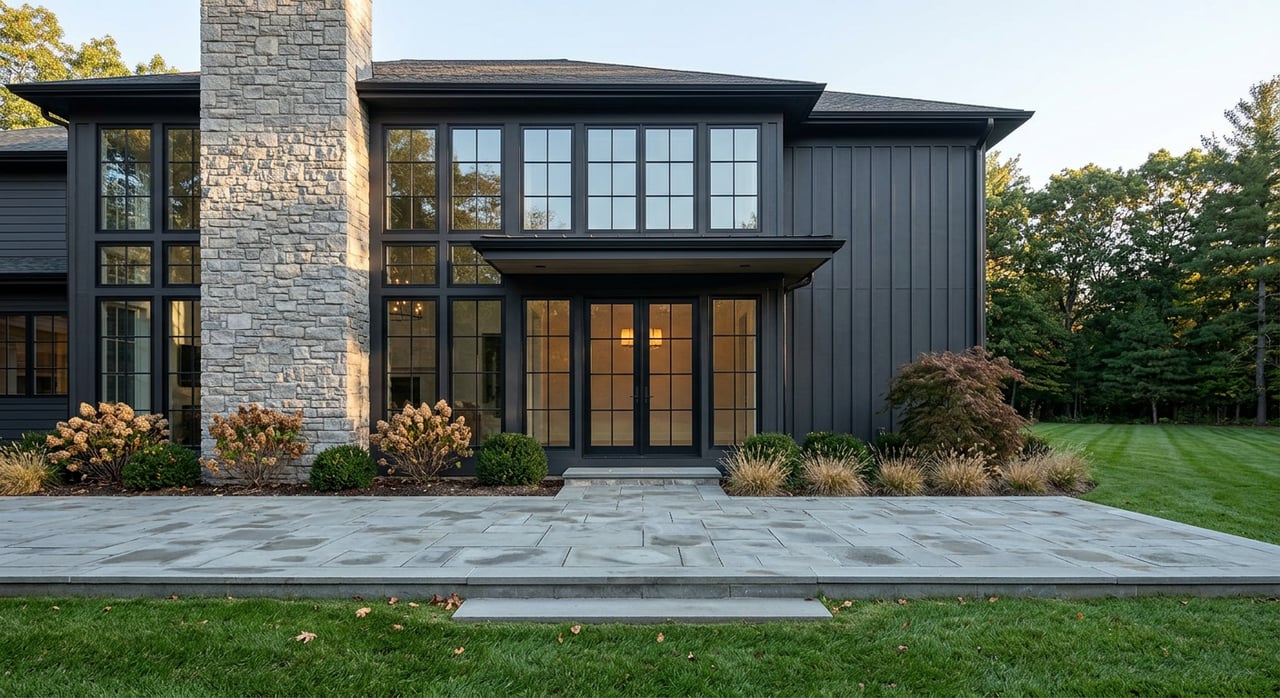
You picture quiet mornings, long driveways, and a home that feels tucked away from the world. In Colts Neck, that vision often lines up with reality. Acreage living here blends privacy and open views with a strong equestrian culture and easy access to Shore towns and city commutes. In this guide, you’ll see what daily life on land really looks like, the rules that shape it, and the steps to take before you buy. Let’s dive in.
The feel of acreage life
Space, privacy, and scenery
On larger parcels, homes sit well back from the road with generous setbacks and natural buffers. Tree lines, berms, and thoughtful landscaping reduce road noise and give your yard a calm, private feel. These design choices follow local scenic viewshed and setback standards, which help preserve the township’s open look and rural character. You see more sky, more green, and fewer close neighbors.
Equestrian culture all around
Horses are part of everyday life in Colts Neck. Many properties include barns, fenced paddocks, turnout areas, and outdoor rings. The municipal code recognizes small private horse keeping and also defines larger, commercial stable types with higher acreage and added rules. Public and private horse activities, from local club events to training and riding, are common throughout the year.
Outdoor amenities and daily rhythms
Beyond horses, you find pastures, woodlots, vegetable gardens, and small orchards. Estate-style amenities like pools, tennis, and outdoor kitchens show up often. Service areas for equipment, hay, and fuel are practical must-haves on working properties. Day to day, acreage living means more room to spread out and more projects that fit an active, outdoor lifestyle.
How Colts Neck preserves acreage
Zoning is the backbone of Colts Neck’s rural feel. The township organizes residential and agricultural districts with minimum lot sizes, frontage, and setback rules. Larger-lot districts help keep density low, while the agricultural district has its own standards and conditional uses. For current, exact limits and any recent amendments, review the township’s land use code. You can browse the regulations and schedules in the municipal code under land use and zoning.
- Explore the code framework and zoning schedules: Colts Neck Land Use Code
The code also includes tools like lot size averaging and scenic buffers. These shape how subdivisions look and how many buildable lots a tract can yield. The result is a community that stays green, spacious, and visually consistent.
What the market looks like
Colts Neck is an affluent market with many homes valued in the seven-figure range. Exact pricing shifts with property type, usable acreage, equestrian improvements, and location within the township. Because high-end estates and horse properties appeal to a specific buyer segment, well-prepared listings and accurate pricing strategy are essential for a smooth sale.
Permits, horses, and rules you should know
Projects typically need approvals
Fences, pools, barns, driveways, additions, and similar exterior work usually require zoning review and building permits. Larger changes or new land uses can trigger Planning Board or Board of Adjustment hearings. For clarity on what your project needs, contact the township’s Planning and Zoning office early in your process.
- Start here for guidance and contacts: Colts Neck Planning & Zoning
Horse-keeping basics
Keeping horses is allowed, with limits tied to lot size and setbacks. On smaller acreage, the code caps the number of animals and specifies where structures may go. Larger or commercial riding and training operations have higher minimum acreage and additional site plan, parking, lighting, drainage, and waste-management requirements. If you plan lessons, boarding, or events, review the definitions and thresholds for stable types in the code before you buy.
- Review general horse and accessory-use rules: Colts Neck Land Use Code
Septic, wells, and health approvals
Many acreage parcels rely on private wells and on-lot septic. The township requires soil and permeability testing for septic design, along with Board of Health approval. Not every 3-acre wooded lot supports a conventional system, so factor testing, groundwater depth, and wetlands into your plans and budget.
- See the testing and submission requirements: Soil and Permeability Tests
Upkeep and your service network
Acreage brings recurring maintenance. Expect mowing large fields, brush and tree work, fence installation and repairs, barn cleaning and manure handling, and snow and gravel driveway care. If you keep horses, add hay and feed deliveries, regular farrier visits, and vet care. You’ll want local relationships with landscapers, equine vets, farriers, hay suppliers, arborists, and septic contractors. The township’s administrative and planning pages are a practical starting point for sourcing vendors and understanding local expectations.
- Local contacts and how to get in touch: Colts Neck Planning & Zoning
Commute and connectivity
Rail access to NYC
Colts Neck has no train station, but several North Jersey Coast Line stations serve nearby towns. Depending on where you live in Colts Neck, Red Bank, Little Silver, Middletown, or Long Branch can be practical choices. From those stations, you can connect to New York Penn Station. Check schedules to compare travel times.
- Learn more about the Coast Line: NJ Transit Jersey Shore
A quick distance example
From central Colts Neck to Red Bank is roughly 9 miles, often a 15 to 20 minute drive in off-peak conditions. This pattern is common for commuters who drive to a nearby station and take the train from there. Always test your route during the hours you plan to travel.
- See the Colts Neck to Red Bank drive distance: Drive Distance Example
Bus options
Scheduled bus service through nearby hubs like Freehold and Red Bank can connect you to New York City. Routes and transfer points vary by time of day, so verify the latest timetables before you commit to a plan.
- Compare potential routes: Bus Options to New York
Highways, airports, and broadband
You have regional access to county and state routes, with proximity to the Garden State Parkway and major NY/NJ airports. Drive times vary widely with traffic, so plan a few test runs. Broadband and cell coverage are address specific. Before you buy, confirm provider options and run an actual speed test at the property to ensure it fits your remote-work needs.
Taxes, insurance, and risk management
Property taxes vary by assessed value and specific property attributes. Instead of relying on a townwide average, review the parcel’s assessor record or listing history for guidance. For insurance, estates with barns, livestock, and multiple outbuildings often need coverage beyond a standard homeowner policy. Speak with an insurer experienced in farm and equine liability so your structures, livestock, and equipment are properly covered.
Everyday anchors and weekend fun
Acreage life does not mean being far from essentials. The area is known for busy farm markets, including the long-running Delicious Orchards nearby, plus county parks, trails, and several golf courses. These give you fresh produce, outdoor space, and recreation within a short drive.
- A look at local farm market options: Monmouth County Farmers Markets
A smart buyer’s checklist
- Confirm the zoning district for the address and review permitted uses, setbacks, and accessory structure rules. Start with the Colts Neck Land Use Code.
- Request the most recent septic and permeability reports, well test results, and any Board of Health approvals tied to the property. See the Soil and Permeability Tests section for what the township expects.
- If you plan to keep horses, ask for a current layout showing paddocks, ring surface, barn and shed setbacks, and a manure management plan. Verify whether lessons, shows, or boarding are allowed under the property’s use. Review definitions in the Land Use Code.
- Get quotes for fencing suited to horses, barn repairs, hay storage, driveway resurfacing, and seasonal services like snow removal.
- Test the commute from the exact address to the nearest NJ Transit station and confirm bus alternatives. Use the NJ Transit Jersey Shore overview and check distances like Colts Neck to Red Bank.
- Verify school zoning and program info directly with the district for up-to-date details: Colts Neck Township Schools.
Is acreage life right for you
If you value privacy, room to roam, and an authentic country feel, Colts Neck delivers. You get space for horses, gardens, and big outdoor living, with Shore towns and city connections within reach. The tradeoff is more planning, permits, and ongoing upkeep than a typical subdivision home. With the right preparation and local guidance, the rewards are worth it.
Ready to explore acreage or a horse property in Colts Neck? From zoning checks and septic due diligence to pricing strategy and marketing, you deserve a partner who knows the terrain. Reach out to The Tully Group for a tailored plan, trusted local vendor referrals, and a clear path from first tour to close.
FAQs
What defines acreage zoning in Colts Neck?
- The township organizes residential and agricultural districts with minimum lot sizes, frontage, and setbacks that preserve low density and open views; review current standards in the Colts Neck Land Use Code.
Can I build a barn or riding arena on my Colts Neck property?
- Often yes as an accessory use, but you will need zoning review and permits, and you must meet setbacks and scale limits; contact Planning & Zoning early for guidance.
Are horses allowed on smaller acreage lots in Colts Neck?
- Private horse keeping is permitted with limits tied to lot size and setbacks; larger or commercial operations have higher minimum acreage and added requirements defined in the Land Use Code.
Do acreage homes in Colts Neck have public sewer and water?
- Many rely on private wells and septic; the township requires soil and permeability testing for septic design and Board of Health approval, outlined under Soil and Permeability Tests.
What is the commute to NYC like from Colts Neck?
- Many residents drive 10 to 25 minutes to a North Jersey Coast Line station, such as Red Bank, then take NJ Transit into New York Penn; see the NJ Transit Jersey Shore overview and test your route.
What should equestrian buyers verify before making an offer in Colts Neck?
- Confirm allowed stable type, animal counts, setbacks, paddock layout, ring surface and drainage, manure management, and whether lessons or events are permitted based on the Land Use Code.
